Table of Contents
Introduction
Walk into any wedding market in India and you feel it before you see it. Colour everywhere. Silk rustling, bangles clinking, a shopkeeper calling out a price over the noise. That is Indian ethnic wear in its natural habitat. If you buy for a boutique or a store, the wide range of ethnic collections on offer can feel endless at first.
So what exactly counts? Where did it come from? And which styles actually sell? This guide walks through all of it in plain words. No jargon wall, just what a curious reader or a first-time buyer should know.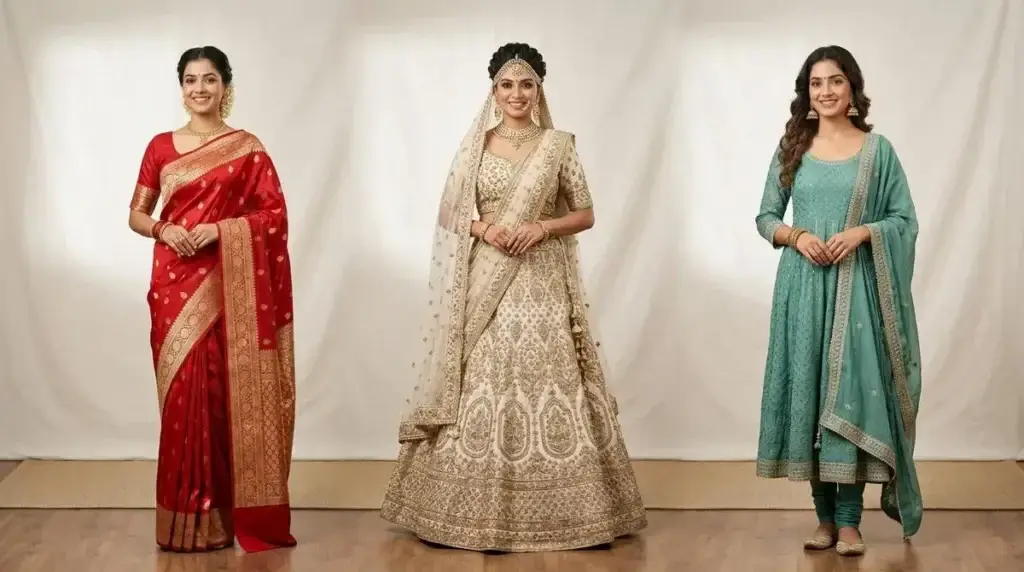
What Is Ethnic Wear? The Meaning Behind the Clothes
Let’s start with the Indian ethnic wear meaning. It is clothing that carries the identity of a community, a region or a culture. In India, that usually means garments shaped by local weaving, dyeing and embroidery, worn for moments that matter to people. A saree on a wedding morning. A kurta on Diwali. A bandhani dupatta on Navratri. Those are the simplest examples.
Here is a working definition you can borrow: it is culturally rooted clothing, often handcrafted, that reflects where a person or a community comes from. It is not a costume. People actually live in it.
Three terms get mixed up all the time. Traditional Indian clothing sticks closely to old cuts and old rituals, like a Kanjeevaram saree draped the way grandmothers did. Ethnic clothing is the wider umbrella, and it holds traditional pieces along with everyday versions of them. Fusion wear goes a step further, pairing a kurta with jeans or a lehenga skirt with a crop jacket. Same roots, different attitude.Where It Comes From
Picture the Indus Valley thousands of years ago. People there were already growing cotton and turning it into cloth. Early garments were mostly unstitched, just a length of fabric wrapped and tucked. That idea never really left. The saree and the dhoti are its living descendants.
Then came the royal courts. The Mughal era added stitched silhouettes, fine muslin, zari work and rich embroidery. Tunics, fitted churidars and long coats entered the wardrobe, and many of them still look familiar today.
Colonial rule changed things again, and not kindly. Cheap mill cloth from abroad hurt local weavers badly. In response, the Swadeshi movement pushed khadi and handloom as a statement of pride. After independence, craft revival efforts kept many regional weaves alive. The clothing survived all of it, which is honestly why it feels so personal even now.Main Types You Will See Everywhere
Ask ten people for an Indian ethnic wear list and you will get ten different answers. Still, a handful of pieces show up on almost every list.
- Saree: An unstitched drape, worn in many regional styles.
- Salwar suit: A tunic, trousers and dupatta.
- Lehenga: A flared skirt with a blouse and dupatta.
- Kurti: A short, easy everyday tunic.
- Kurta-pajama: Classic menswear for festivals and daily life.
- Sherwani: A long, structured coat for grooms and wedding guests.
Women’s Ethnic Wear
Indian ethnic wear for women is the biggest category by far, and the saree leads it. Six yards, endless drapes, and a different look in Gujarat, Bengal and Tamil Nadu. Beginners often think it is hard to wear. It isn’t, once you have practised a few times. Buyers who stock sarees usually find they move across almost every occasion.
Salwar suits and Anarkali sets come next. They are comfortable, modest and loved for both office and festive days, which is why salwar suits stay popular year after year. Lehengas belong to weddings and big celebrations. Kurtis, especially the kurti range, are the everyday workhorse. Add the Indo-western pieces, like dress-style kurtas and palazzo sets, and you have the full picture. Most Indian ethnic outfits for women follow one of these shapes, just with different fabric and different work on it.Men’s and Kids’ Ethnic Wear
Ethnic wear for men is simpler but just as rooted. The kurta-pajama is the everyday classic, easy to dress up with a jacket. The sherwani is the wedding favourite. Nehru jackets and bandhgalas sit in between, formal without being stiff. And the dhoti, once seen as old-fashioned, now returns in ready-to-wear versions that young men actually like.
Ethnic wear for kids is where things get adorable. Mini lehenga-cholis, small kurta sets and dhoti sets turn up every festive season, often in matching colours with the parents. Soft fabrics matter a lot here, because a child who itches will refuse to wear anything, no matter how pretty.Regional Crafts and Fabrics
Craft Traditions by Region
Banarasi weaves from Varanasi are known for brocade and gold-toned zari. Kanjeevaram sarees from Tamil Nadu are heavier, made of rich silk with bold temple borders. Gujarat and Rajasthan give us bandhani, the tie-dye with tiny dots, and Patan in Gujarat is famous for patola, a patient double-ikat weave that can take months. Lucknow is the home of chikankari, delicate white-on-white embroidery. Punjab brings phulkari, bright floral thread work that feels like a garden.
Many of these crafts carry a GI tag, which tells you the technique belongs to a particular place. A small fact, but it helps a buyer judge what is genuine.
Fabrics and Where They Work Best
Cotton is the summer friend. Breathable, easy to wash, perfect for daily wear. Silk is for weddings and big occasions, since it holds colour and drape beautifully. Georgette and chiffon are light and flowy, so they suit parties and festive evenings. Rayon is soft, budget-friendly and a favourite for kurtis.
A simple rule helps: pick the fabric for the weather first, the occasion second. A gorgeous heavy silk in peak July heat? Nobody wants that.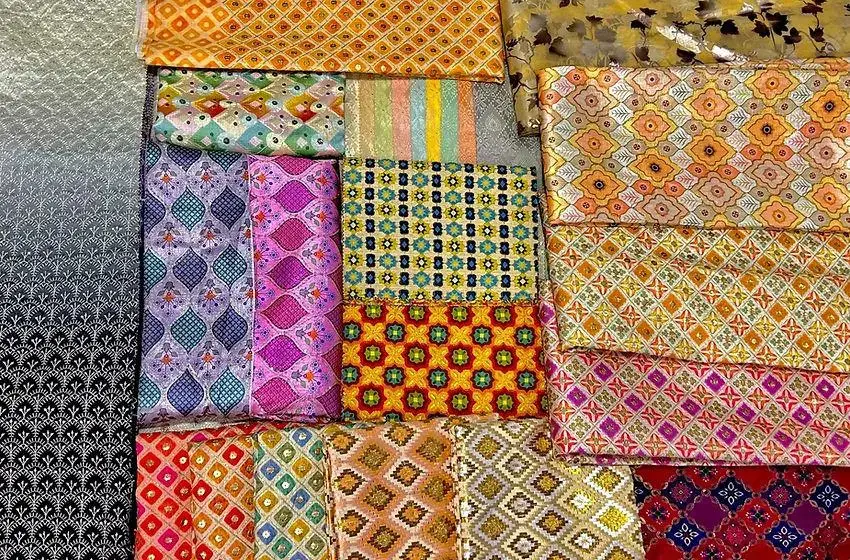
Why Surat Matters So Much
Many of the sarees and dress materials you see in shops across the country start in Surat. The Gujarat city is a textile hub where weaving, processing, embroidery and trading sit close together. It is especially strong in man-made fabrics such as georgette, chiffon and rayon blends, which is why so many good-looking, fairly priced sarees come from here.
Our team has seen one pattern repeat. Buyers who understand fabric before they chase designs usually make better choices, and fewer returns follow. That is the kind of practical knowledge no catalogue can teach you.
Ethnic Wear Beyond Weddings and Festivals
Here’s something new sellers often miss. This category is no longer seasonal. Yes, wedding season brings the biggest spikes. But kurtis walk into offices every Monday, cotton suits fill college campuses, and festive sets are gifted for Diwali, Raksha Bandhan and housewarmings.
Modern cuts have helped too. Fusion pieces like co-ord sets let someone wear ethnic style without feeling dressed up. That is why demand stays steady through the year instead of vanishing after the festive months.