
Table of Contents
Introduction
Imagine your clothing brand serving more customers, consistently delivering higher quality products, and expanding without the associated pains of dealing with managing production. A trusted garment manufacturer can help you achieve just that. In the crowded apparel marketplace today, working with a trusted manufacturer is not just about getting clothes sewn; it’s about establishing a solid foundation for your business success.
Many of the newer and smaller apparel brands face challenges: keeping prices low and product quality high while growing production capability. A professional garment manufacturer would use their experience, modern technology, and quality control systems to resolve these issues. They let you focus on marketing, sales, and building brand presence, while they make sure your product is manufactured for market demand.
What is a garment manufacturer?
A garment manufacturer is a company or factory that makes clothing using raw materials. Fabric, thread, and buttons are just some types of raw materials. The primary responsibility of garment manufacturers is to manufacture clothing by applying patterns or designs to clothing ready for sale. The process includes many steps, including cutting fabric, sewing fabric together, adding zippers or buttons, and finishing garments (ironing, packaging, etc.). Garment manufacturers deal with large amounts of fabrics and materials to make many clothing in large quantities.
How Garment Manufacturers Fit Into the Supply Chain
In the clothing market, all supply chains begin with a design. Designers will develop sketches and specifications for new clothing styles. Next, the garment manufacturer will take the design and produce actual clothes. The garments are then purchased by either wholesalers or retailers. Finally, consumers purchase the clothes from stores or online shops.
Difference Between Garment Manufacturers, Wholesalers, and Retailers
- Garment Manufacturer: Produces finished clothing from fabric. They don’t usually care about the end consumer and are exclusively focused on production.
- Wholesaler: Buys large amounts of clothing from the manufacturer and sells small lots to the retailer. The wholesaler serves to connect the manufacturer to the retailer.
- Retailer: Retailers sell clothing directly to the consumer. They could be a store, or an online shop that sells single items.
How a Garment Manufacturer Supports Business Growth
Expertise in Quality Production
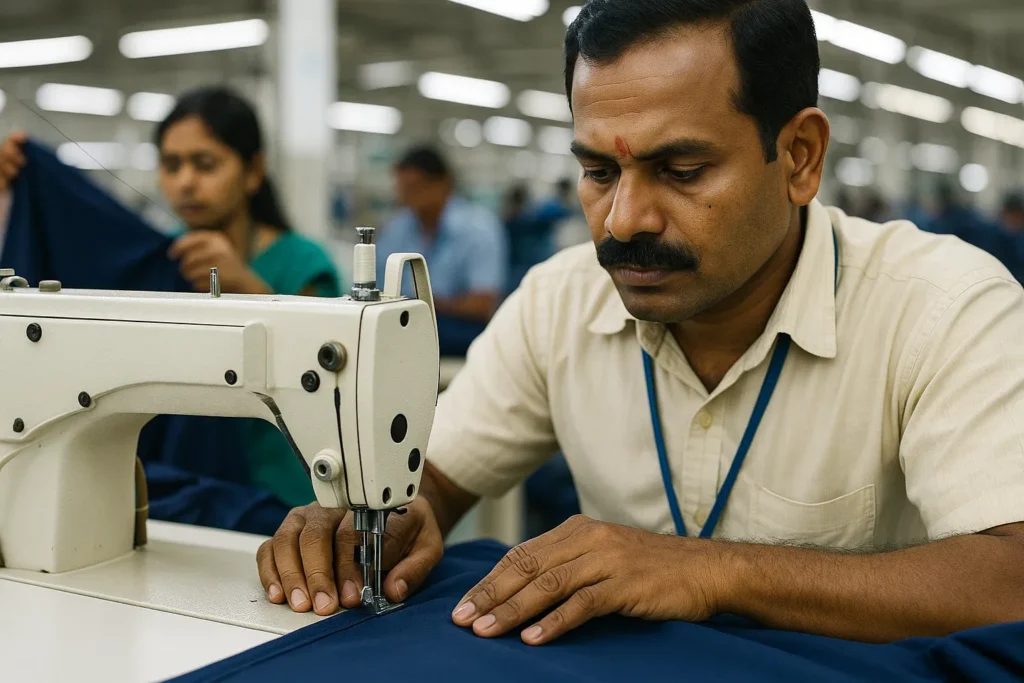
High product quality builds trust with customers and a brand’s reputation. Customers who receive clothing that is well made, and durable, are more likely to return to the brand and encourage friends and family to do so, also
How Professional Manufacturers Use Skilled Labor, Technology, and Strict Quality Control
Garment manufacturers with experience employ skilled individuals who take care with every single step involved in production. They have advanced machines and technology like automatic sewing and inspection of fabric and make sure flooring is of a quality consistent with quality. These manufacturers have strict quality control procedures in place to inspect the quality of fabric, stitching, seams, and finishing at all stages of production. If defects are detected upfront, the manufacturer may not take delivery on the fabric and/or may require additional rework and inspections at no cost.
Real-life Examples of Improved Product Quality Leading to Stronger Sales and Customer Loyalty
Brands connected to dependable product manufacturers will usually see less complaints and returns from their customers. For example, if a brand improves the stitching of their garment this may lead to better customer reviews, more repeat sales and subsequently more dedicated customers.
Scalability and Flexibility
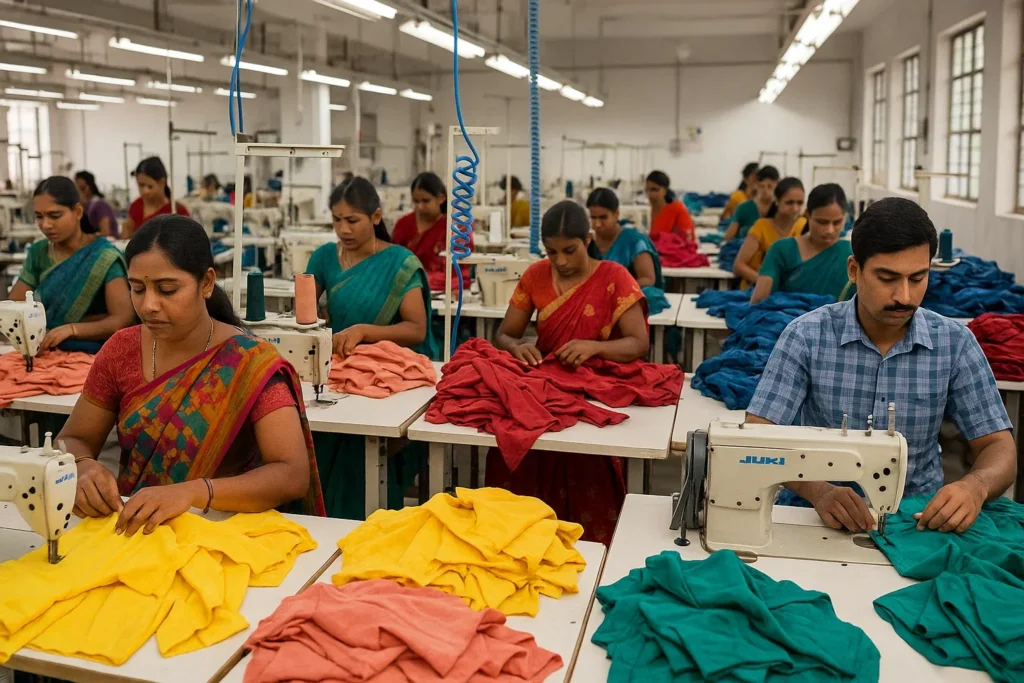
How Manufacturers Scale Production as Demand Grows
Garment manufacturers can meet increasing orders by increasing production volumes quickly, without sacrificing quality, through utilizing additional shifts, workers, or machines.
Flexible Production to Accommodate Small Orders or Large Orders
Manufacturers are able to produce for businesses of all sizes, whether it is a small order for a startup or large orders for companies operating globally.
Production Flexibility can be Beneficial for Seasonal or trend-based businesses.
Flexible production allows brands to offer seasonal collections or chase down fashion trends that could bring risks of stock liabilities from inventory and shortages in stock.
Cost-Effectiveness and Resource Optimization
Skip the Heavy Investment, Start Growing Faster
The opportunity to partner with a manufacturer means businesses do not have to purchase machinery, rent factory space or source their own labour, reducing significant up-front expenses.
How Manufacturers Cut Raw Material Costs for You
Large manufacturers buy raw materials in large quantities and of course, the cost of raw materials is reduced on a per-unit basis. That is a savings that is handed down to brands through a lower purchase price.
Why Manufacturers Pay Less
Because manufacturers have built long-term relationships with suppliers, they can source fabrics and other accessories at better prices than an individual business unit.
Faster Time to Market
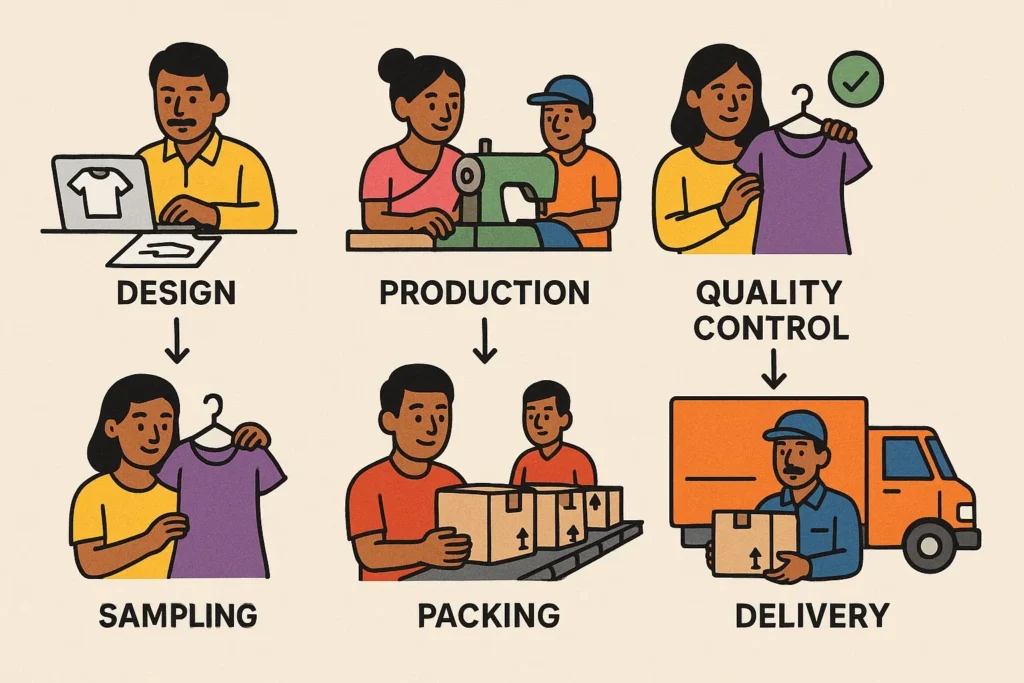
Manufacturers Are The Key To Getting Designs To Product Quickly
Manufacturers have the experience and systems in place to quickly translate design to finished garments; they can take a design from concept to sale quicker than the designer can produce.
Will Help Catch Market Trends by Fulfilling Urgent Production Schedules
When manufacturers successfully fulfill urgent production schedules, it allows brands to take advantage of market trends while keeping their inventory fresh and relevant.
Access to Innovation and Technology
Garment Manufacturers Implementing New Technologies or Automation
Many manufacturers of garments use computerized cutting machines, automated sewing, and digital inspection to enhance efficiency during production.
The Handle on Product Consistency, Fabric Waste, and Employment Costs
In all aspects of garment production, technology ensures garment quality is consistent, waste of material is less, and costs less labor in doing everyday mundane tasks.
Examples of Environmentally-Friendly and Sustainable Technology Improve a Brand's Visibility and Attraction
Some manufacturers are implementing water-saving dyeing methods, using recycled fabrics, and implementing energy-efficient processes, which grant brands the ability to increase their sustainability profile and offer environmentally friendly products that consumers are demanding.
Building Long-term Business Partnerships with Garment Manufacturers
Trust and Reliability
Trust is essential in every successful partnership with a garment manufacturer. When brands trust their manufacturers, they know that orders will be made with reliable quality and arrive on time. A trustworthy manufacturer produces according to standards every time and manages production timeliness so brands have a steady flow of products coming without late deliveries. A dependable manufacturer will reduce the risk of stockouts or defective products that can hurt a brand’s reputation and sales.
Tailored Services for Business Needs
Good clothing manufacturers provide customization options to meet their customers’ various goals. Customers can consider small-run or limited-edition production for startup brands, private labels, which is attaching your own label to those clothes, or sample production to test new styles and designs. When clothing manufacturers provide customization options, they allow brands the opportunity to produce unique consumer products that get them in the market. Customized production allows brands flexibility to meet specific customer needs and brand identity.
Supporting Brand Growth Beyond Local Markets
Many clothing manufacturers help brands with marketing and shipping products abroad. Apparel manufacturers know export regulations, customs, and global logistics that help brands sell their products around the world seamlessly. This assistance allows brands to escape the challenges of expansion and grow beyond their local markets with peace of mind so that they can achieve global growth without having to work through tough trade issues. Manufacturer partnerships like this can help brands to enter new markets quickly without the same risk level that comes with going about it alone.
Additional Benefits of Working with a Garment Manufacturer
Manufacturers Who Care for Workers
Some trusted garment manufacturers ensure that workers are treated ethically and safely. These manufacturers pay decent wages, limit working hours, and have safe working conditions. All workers should never face child labor or forced labor. Many ethical manufacturers allow workers to unionize and allow them to speak out together. Due to ethical practices, workers have more enjoyment and feel motivated, which results in better quality products for the brands they are.
The Growing Importance of Sustainable Manufacturing in Today’s Market
Sustainability is now a big deal in the garment industry. Leading manufacturers are using sustainable methods of dyeing and performing in line with eco-friendly practices, are water and energy-efficient, recycle components, and are reducing waste. When brands use sustainable manufacturers, not only are they contributing to the beauty of Earth but also improving their brand image. Brand image is important for the growing number of eco-conscious consumers, and positive corporate social responsibility will increase sales.
Reduced Business Risks
Lower Financial Risks by Avoiding Direct Investment
Outsourcing production to garment manufacturers saves startup companies from big upfront costs in machines, factories, and labor, reducing financial risks for upstart and emerging brands willing to use that money to spend more on marketing and product development over production equipment.
Adaptable Manufacturing for Every Need
Garment manufacturers have the ability and capacity to quickly modifying production volume, helping brands adjust when trends shift or seasonal requirements change, without being left with excess inventory or expensive setups at factories.
Tips for Choosing the Right Garment Manufacturer to Grow Your Business
Check Experience and Portfolio Related to Your Product Type
Seek out manufacturers experienced in producing the clothing you want to sell. Check out their previous works or portfolio to make sure they understand the materials, styles, and quality that your brand is looking for. A manufacturer who is specialized in your type of product will yield much better results.
Quality Control Processes and Certifications
Quality assurance is imperative in creating uniform products. Inquire if the manufacturer implements any quality checks at each stage of production. Manufacturers with ISO 9001 certification or WRAP certification comply with internationally accepted quality and ethical standards, which provides job security that they are properly producing products.
Understand Pricing Models and Minimum Order Quantities (MOQs)
Pay careful attention to pricing structures in all respects, inclusive of costs of raw materials, labor, and shipping. Keep in mind (MOQs) the minimum order quantity your potential manufacturer will accept. Select a manufacturer that has an MOQ that is suited to your budget and sales plan, particularly if you are a startup.
Communication Responsiveness
Effective communication is critical for effective production. Use manufacturers that trail your questions in a fast, clear manner. A good cultural fit avoids problems and builds a strong partner relationship.
Visit Facilities if Possible or Ask for Samples Before Committing
If you are able, visit the manufacturer at their production site and observe the operations. If you are not able to, request samples so you can examine the product quality, stitching, and finishing. Samples also will help you decide if the manufacturer is what it appears to be before you place any major order.
Conclusion
Garment manufacturers are players that can help businesses grow by providing high-standard products, providing scalable and flexible production, optimizing costs, and reducing time to market. The experience that a manufacturer has, combined with their access to the latest technologies, will factor importantly when considering competitors that might take advantage of changing market demands. The manufacturers’ businesses we work with must be capable of accommodating our growth plans into the future; this can be achieved through long-term relationships.
The ability to have consistency in our supply, services tailored to our needs, and support when dealing with the challenges of expanding into foreign markets is a business differentiator with relationships. Additionally, manufacturers that follow labor and health standards will protect against the reputational risk of non-organic potential and create good brand value.
In order to ensure ongoing growth and success, it is vital that firms make careful selections of their garment manufacturers, based on experience, quality processing standards, pricing, communication, and facility capabilities. Informed partnership can help you unlock your growth potential and differentiate your brand.
Start looking at reputable garment manufacturers with Geethatextile today, your trusted manufacturer for garment making with quality apparel manufacturing to support the growth of your business. Contact us today to grow your brand!