
Table of Contents
Why Fabric Quality Matters in Wholesale Buying
When retailers buy wholesale sarees and kurtis, the first thing they usually notice is the design and the price. But what actually decides the success of your business goes much deeper; it’s the fabric quality. A good fabric not only looks stylish but also feels comfortable, lasts longer, and keeps customers happy. On the other hand, poor-quality fabric fades, shrinks, or loses its charm after a few washes, leaving buyers disappointed and unlikely to return.
Understanding fabric quality isn’t just a technical skill; it’s a smart business habit. When you can tell the difference between premium and average fabrics, you make better buying decisions, protect your brand’s reputation, and improve your profit margins. Let’s break down how you can identify good fabric quality before making your next wholesale purchase.
Understanding the Basics: The Foundation of Every Saree and Kurti
Every saree or kurti starts with the fabric it’s made from. Each material has its own personality; some look rich and delicate, while others are strong and made for everyday use. For example, silk adds a touch of grace and tradition, making it perfect for festive wear, while cotton is soft and breathable, ideal for daily comfort. Fabrics like georgette, chiffon, and crepe give a beautiful flow and elegant fall, which is why they’re often used for partywear.
When it comes to kurtis, materials like rayon, cotton, linen, and silk blends are popular because they combine comfort with style. The key is to understand what your customers prefer; the right fabric not only makes your collection more appealing but also helps you build trust and long-term loyalty.
How to Read Fabric Quality Like a Pro
1. GSM (grams per square meter)
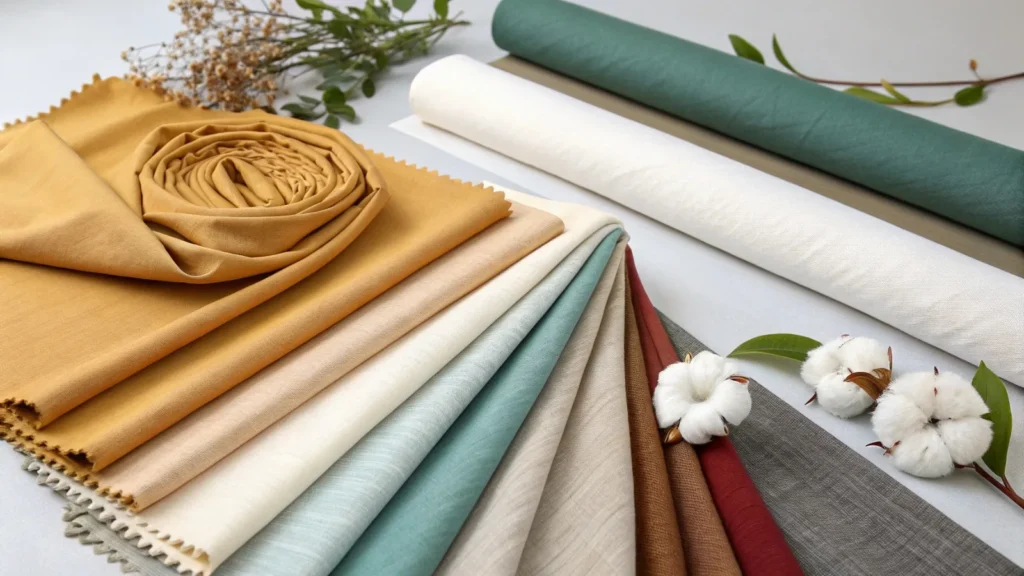
GSM basically tells you how thick and heavy a fabric is. The higher the GSM, the stronger and more durable the material will be. For example, cotton kurtis usually feel perfect around 150–180 GSM, while light, flowy sarees like chiffon or georgette stay below 100 GSM.
2. Weave Density
Hold the fabric against the light. If you can see through it easily, it means the threads are loosely woven and that usually means it won’t last long. A tightly woven fabric is always better because it resists tearing and holds its shape after multiple washes.
3. Color Fastness
One of the biggest problems in wholesale buying is color fading. To check, take a slightly damp white cloth and rub it gently on the fabric. If the color comes off, it’s not colorfast and will likely lose its shade or fade out during washing.
4. Shrinkage
Natural fabrics like cotton, rayon, and linen tend to shrink a little after washing. Always ask your supplier if the fabric is pre-shrunk or treated to avoid surprises later. This small step can save you from future complaints.
5. Texture & Finish
The easiest way to judge a fabric is by touch. A good-quality fabric feels smooth, soft, and even. If it feels rough, stiff, or uneven, that’s usually a sign of poor yarn quality or excessive chemical treatment.
6. Durability Test
Stretch the fabric slightly. If it quickly loses its shape or looks loose, it’s not durable enough for regular use. Strong fabrics bounce back naturally, keeping their structure even after being worn or washed.
Spotting Genuine vs. Synthetic Blends
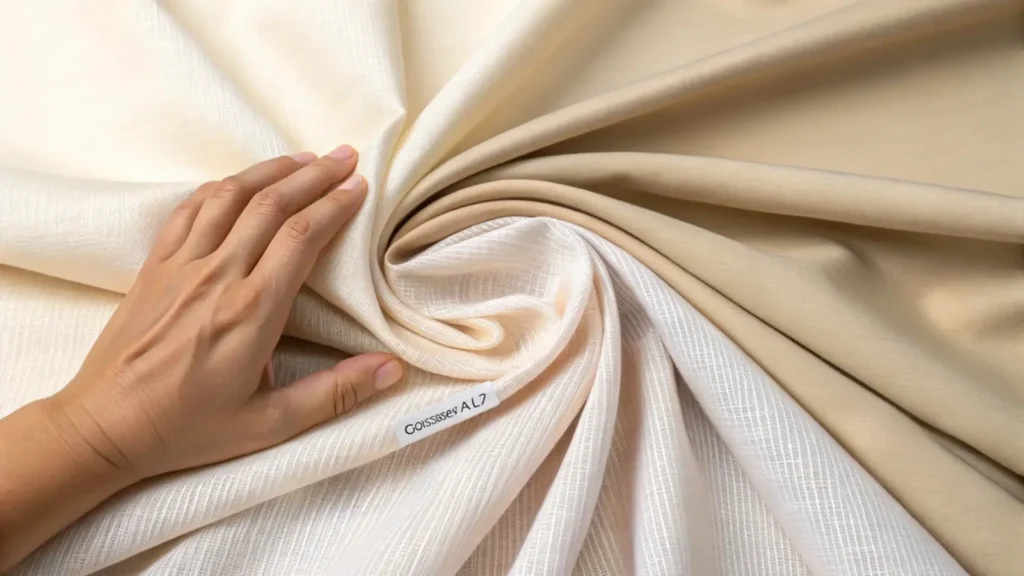
In today’s wholesale sarees and kurtis market, many suppliers mix synthetic fibers with natural fabrics to cut costs. And while that’s not always a bad thing, as a buyer, you should always know exactly what you’re paying for.
Pure cotton or silk usually feels soft, breathable, and has a natural shine. On the other hand, synthetic blends like polyester can feel slightly warmer and have an extra glossy look. If you want to be sure, you can try a simple burn test (safely, of course) cotton burns like paper, while polyester melts into a small hard bead and gives off a plastic-like smell.
A good rule to remember: if a “pure” fabric is priced way lower than usual, it’s probably not pure. Always ask for the fabric composition details or request a small sample before you buy in bulk.
Beyond Fabric: Stitching, Embroidery & Print Quality
Even the best-quality fabric can lose its appeal if the stitching or embroidery isn’t done well. Many wholesalers produce clothes in bulk, and that often leads to uneven finishing or small quality issues. That’s why, as a retailer, you should always take a closer look at these details.
A well-made saree or kurti will have neat, tight stitches with no loose threads. The embroidery should feel soft and smooth on the skin, not rough or uncomfortable. Also, check the prints; they should be clear, properly aligned, and evenly spread across the fabric. If the colors look faded or smudged, it usually means poor dye quality or cheap printing.
And if you’re buying decorated pieces, stay away from items with too much glue or plastic work. They might look good at first, but those decorations often start coming off after just a few washes.
Checking Supplier Credibility and Fabric Source
A big part of fabric quality depends on where and from whom you buy it. Reliable wholesalers, especially those based in places like Surat, Jaipur, or Varanasi, usually source their fabrics directly from verified mills and maintain their own quality checks.
Before you place any bulk order, make sure to ask your supplier a few important things:
- The fabric composition (for example, 80% cotton and 20% polyester
- Whether the fabric is pre-shrunk or chemically treated
- If they can share any certifications or fabric test reports
Also, don’t forget to check their online reputation. Go through B2B platform reviews or talk to a few of their existing clients if possible. A genuine, trustworthy supplier will always be open about their sourcing process and will value a long-term business relationship over a quick sale.
Smart Buying Habits for Retailers and Boutique Owners
Buying wholesale isn’t just about finding good fabric; it’s also about building smart habits that help you reduce risk. Always start by requesting a small sample before placing a big order. This simple step lets you do a quick wash and wear test to check how the fabric reacts, whether it loses color, shrinks, or changes in texture after washing.
Once you’re happy with the sample, keep in regular contact with your supplier. Consistent communication builds trust, and over time, loyal buyers usually enjoy better prices, early access to new collections, and faster support.
And when it comes to negotiation, don’t just focus on the price. Discuss fabric quality, stitching consistency, and exchange terms as well. This approach helps you maintain reliability, reduce losses, and protect your profit margins in the long run.
The Business Side: How Fabric Quality Impacts Your Brand
What truly stays with them is the comfort and quality of the fabric. A saree or kurti made from good-quality material still looks fresh and feels great even after many washes, which instantly makes your brand look more trustworthy and premium.
When you maintain consistent quality, you also get fewer returns and more repeat customers. In the long run, spending a little extra on better fabrics always pays off; it gives you stronger customer loyalty and a higher return on investment compared to cheaper, low-quality options.
For boutique owners, success isn’t just about selling more pieces; it’s about selling products that people love to wear again and again. Fabric quality builds your brand’s reputation. One poor-quality batch is enough to undo months of hard work and customer trust.
Practical Checklist Before Buying in Bulk
- Touch and stretch the fabric to test elasticity.
- Check GSM, weave, and colorfastness.
- Request 1-meter samples or single-piece trials.
- Confirm supplier details and reviews.
- Avoid buying purely on price; quality defines brand value.
Conclusion
In the wholesale fashion industry, real profit doesn’t come from buying cheap it comes from buying smart. When you know how to check fabric quality, GSM, weave density, color durability, and supplier credibility, you make smarter choices that protect your brand and satisfy your customers.
Whether you’re sourcing Wholesale Sarees and Kurtis from Surat’s textile hubs or online B2B platforms, always let fabric quality be your top priority. The better your fabric, the stronger your reputation and the more repeat buyers you’ll attract.
Because at the end of the day, design might bring you the first sale, but fabric quality keeps your customers coming back.
Explore the trusted collection at Geetha Textile where every piece is made with care, comfort, and uncompromised quality.