
Table of Contents
Introduction
The ethnic wear market in India has grown a lot in recent years, and kurtis have become one of the most in-demand clothing items in both Indian and international markets. Many buyers looking for a dependable Kurti manufacturer soon realize that most manufacturers usually work in one of two ways some mainly produce for export markets, while others focus on supplying within India.
Knowing this difference before choosing a supplier is very important because both types follow different working styles, pricing structures, and quality standards. When businesses understand these differences clearly, it becomes easier to choose the right supplier and avoid common issues like uneven quality or late deliveries.
In this article, we will explain the difference between export-focused and domestic-focused manufacturing units in simple terms, so you can select the right manufacturing partner with more clarity and confidence.
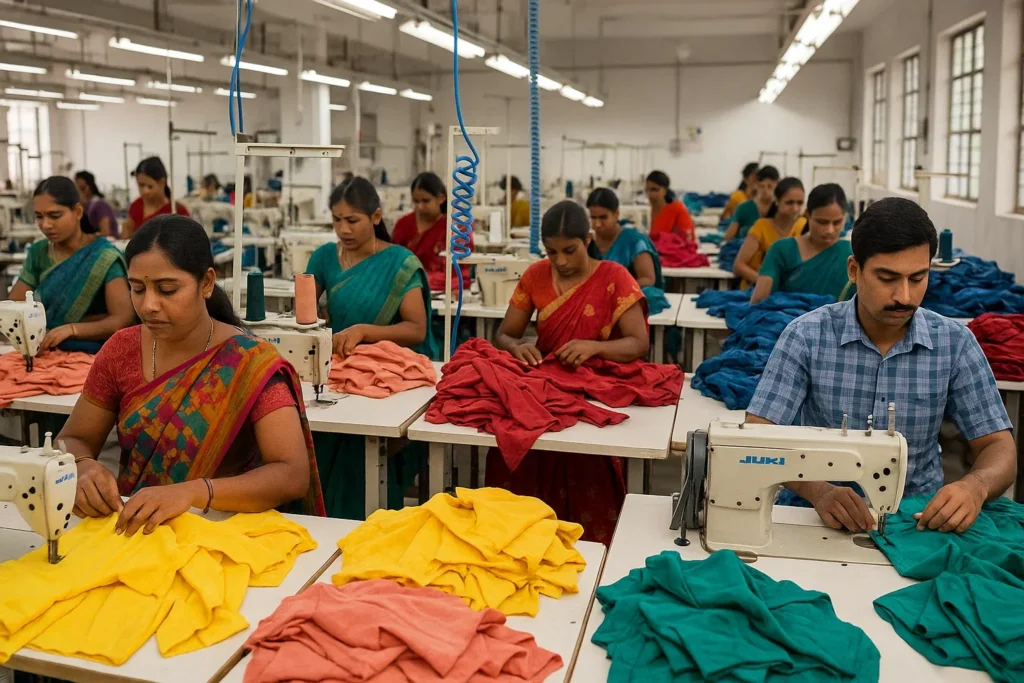
Understanding the Kurti Manufacturing Industry
In India, kurti production is done by many different types of businesses. Some are small workshops working with limited machines and workers, while others are large factories handling bulk production every day. Some units mainly supply kurtis to wholesalers and retailers across India, while others focus on making garments for overseas buyers.
A good kurti manufacturer usually follows a proper process that starts by selecting the fabric and continues through cutting, stitching, finishing, and packing. But the way this whole process is managed often depends on the type of customers they serve. Manufacturers working for export buyers usually follow more structured systems, while those supplying local markets often work in a more flexible way based on demand.
How Production Units Typically Operate
Most garment production units work with proper planning. Fabrics are usually purchased in bulk, and designs are finalized before stitching starts. Bigger factories normally follow fixed systems so they can maintain consistent quality and regular production. On the other hand, smaller units often keep their processes flexible so they can quickly adjust according to market demand.
Production planning also depends a lot on the type of buyers they work with. Manufacturers supplying international markets usually follow strict timelines and detailed specifications. In comparison, those supplying local wholesalers often adjust their production according to seasonal demand and changing fashion trends.
Why Manufacturers Focus on Different Markets
Every manufacturer works with a different type of customer. Some mainly handle orders for international buyers, while others focus on supplying distributors and retailers within India.
The market a manufacturer chooses usually depends on their experience, production setup, and long-term business goals. An export-focused Kurti manufacturer usually spends more effort on maintaining quality standards and required documentation, while manufacturers serving the local market often focus more on flexible production and designs that match current trends.
Export-Oriented Kurti Manufacturers
Export-focused manufacturing units usually work with international brands, wholesalers, and importers. Their working style is more organized and system-based because overseas buyers expect steady quality and on-time delivery.
An experienced kurti manufacturer that supplies export orders normally follows strict standards for fabric selection, stitching quality, and packaging. These manufacturers also keep proper records and use international size measurements so that the products match buyer requirements accurately.
Production Standards in Export Units
Export-oriented factories usually follow a well-organized production system where every step is handled carefully to maintain the same quality in all garments. From fabric cutting to final finishing, the process is monitored so that the finished products remain consistent.
Before starting bulk production, these manufacturers usually prepare samples for approval. This allows buyers to check the design and quality in advance and make sure everything is as required. After production begins, regular quality checks are done at different stages to reduce the chances of defects. Packaging is also done in a proper way so the garments stay safe and in good condition during long-distance shipping.
Advantages of Export-Oriented Production
Businesses that work with export-focused factories usually get more consistent quality and better planning in production. These factories often have proper machines, organized systems, and experienced workers, which helps maintain uniform results in every order.
Working with an export-focused Kurti manufacturer can be a good choice for businesses that need reliable quality and regular supply, especially for bulk distribution or selling in international markets.
Limitations of Export Production Units
Export-focused manufacturers usually prefer bigger orders because their production setup is designed for bulk manufacturing. For small buyers, meeting the minimum order quantity can sometimes be difficult.
Customization can also be limited once the production plan is finalized, since export factories normally work on fixed schedules and planned batches. Making changes in between production is not always easy in such setups.
Domestic-Focused Kurti Manufacturers

Domestic-focused production units usually supply kurtis to wholesalers, retailers, and boutique owners across India. These manufacturers stay closely connected with the local market, so their production often follows current trends and seasonal demand.
A domestic Kurti manufacturer usually creates designs that suit regional tastes and changing fashion styles. Their way of working is generally more flexible compared to export factories, which allows them to adjust designs and quantities more easily.
Production Approach in Domestic Units
Domestic production units can usually respond faster to market demand. New designs are often introduced regularly, and order quantities can be increased or reduced depending on what buyers need.
Since local fashion trends change quickly, these manufacturers usually work with shorter production cycles. This allows retailers to keep their collections fresh and updated according to current market trends.
Advantages of Domestic Production Units
Domestic production units are usually easier to work with for small and medium buyers. They often accept smaller order quantities, and making design changes is generally more convenient compared to larger factories.
Local suppliers also have a better understanding of regional fashion choices and seasonal buying patterns. A domestic Kurti manufacturer can be a practical option for businesses that need regular restocking or prefer producing in smaller batches instead of large bulk orders.
Limitations of Domestic Production Units
Quality consistency can sometimes depend on how the production unit is set up. Smaller units may not always have strict quality checking systems, which can lead to variation between batches.
Documentation and packaging are also usually simpler compared to export-focused factories. Local manufacturers may not always follow formal standards, especially when they are mainly supplying nearby wholesalers and retailers.
Export vs Domestic Manufacturers: Key Differences
Choosing between export-focused and domestic-focused production depends on business requirements rather than which option is better. Both types serve different purposes in the apparel supply chain.
An experienced Kurti manufacturer will usually be clear about their production focus, which helps buyers decide whether the partnership will be suitable.
Major Differences Buyers Should Understand
- Export units usually focus on large-scale production
- Domestic units often allow smaller orders
- Export factories follow stricter quality systems
- Domestic suppliers respond faster to trends
- Export production requires longer planning cycles
Understanding these practical differences helps buyers select suppliers that match their business needs.
How to Choose the Right Kurti Manufacturer
Choosing the right manufacturing partner needs proper planning and careful checking. Before finalizing a supplier, businesses should think about their order quantity, expected quality level, and required delivery time.
Working with a reliable Kurti manufacturer becomes much smoother when your requirements are clearly discussed from the beginning. Clear communication helps avoid misunderstandings, reduces production errors, and makes the overall process more efficient.
Factors Buyers Should Evaluate:
Production Capacity
Fabric Quality
Delivery Reliability
Communication Clarity
Final Thoughts
The kurti manufacturing industry offers many sourcing options, but understanding the difference between export-focused and domestic-focused production makes it easier for buyers to take the right decision. Each type of manufacturer works in a different way, and the best choice always depends on your business goals, order size, and quality requirements.
Finding a dependable Kurti manufacturer is not just about getting the lowest price. Buyers who take time to check production systems, quality standards, and delivery reliability usually build stronger and longer-lasting business relationships. The right manufacturing partner helps maintain consistent product quality and supports steady business growth.
If you are looking for a reliable manufacturing partner for quality kurtis and consistent supply, GeethaTextile can help you with the right solutions for your business needs. Contact us today to discuss your requirements and start building a long-term partnership.