
Table of Contents
Introduction
Have you ever bought an outfit online that looked amazing in the picture but fell apart after wearing it once? That’s often the result of cheap co-ord set manufacturers trying to save money at the expense of quality. A co-ord set is simply two matching pieces of clothing sold together usually a top and bottom that are designed to go perfectly with each other.
When brands want to make more profit quickly, they sometimes choose manufacturers who produce clothes at very low costs. These budget manufacturers cut corners in many ways. They use thin fabrics, hire less experienced workers, and rush through production. The result? Clothes that don’t last and customers who feel disappointed and angry.
Understanding why this happens and how it damages brands is really important. Whether you’re a customer who wants to make smart shopping choices or a brand owner trying to protect your reputation, this information will help you understand the real cost of choosing cheap over quality.
Understanding Budget Manufacturing
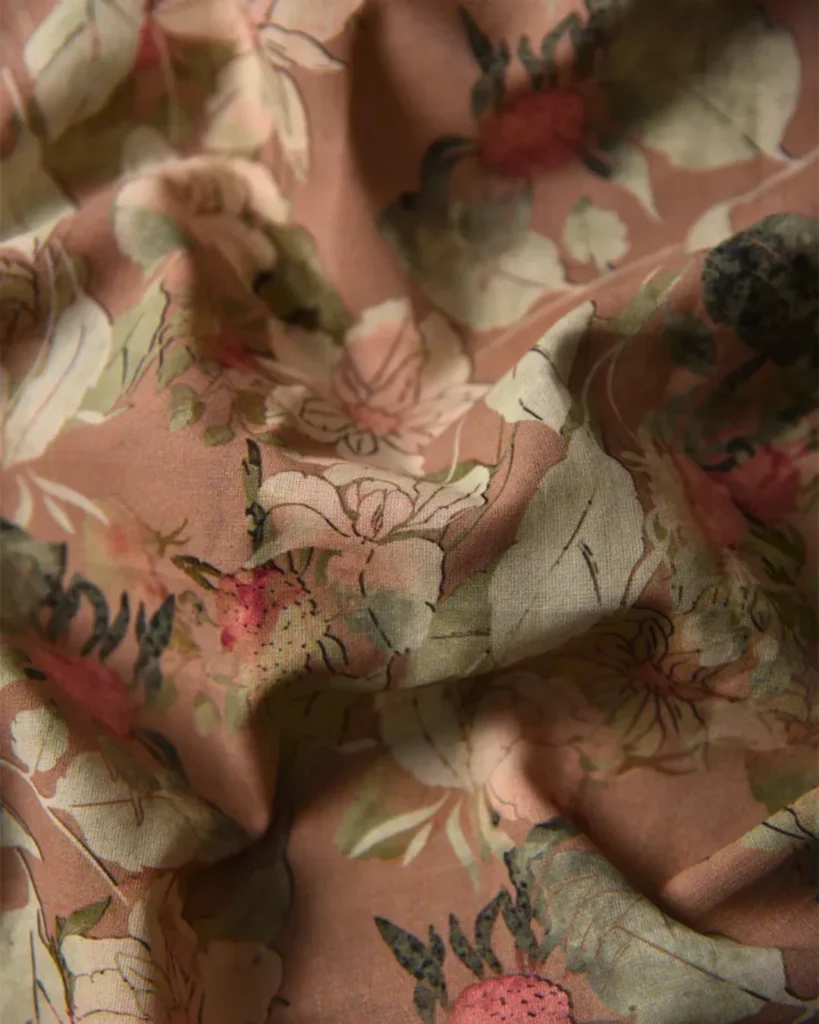
Let’s start with the basics. What makes a manufacturer “cheap”? It’s not just about the price tag. Cheap manufacturers focus on one thing: making clothes as fast and as inexpensively as possible. They buy the lowest quality fabrics available, pay workers minimal wages, and skip important quality checks.
Many of these budget manufacturers are located in countries where labor costs are very low. While this isn’t bad in itself, problems happen when companies push these manufacturers to make clothes faster and cheaper than is reasonable. Workers get tired, mistakes happen, and quality suffers.
The issues with budget production are real and consistent. Cheap fabrics feel rough and uncomfortable against your skin. They fade quickly after washing. Buttons fall off easily. Seams come undone. Zippers break. Clothes shrink unexpectedly or stretch out of shape. When customers experience these problems, they don’t just feel disappointed about the clothes—they feel disappointed in the brand itself.
How Cheap Co-Ord Sets Hurt Real Brands
Let’s look at real situations where cheap manufacturing damaged brands. Imagine a popular clothing brand decides to launch a new co-ord set collection. They choose a budget manufacturer to save money and increase their profit margin. The photos look beautiful. The designs are trendy. But here’s what happens next.
Customers receive their orders and immediately notice problems. The fabric is thinner than expected. The colors don’t match the photos. The fit is completely wrong even though customers ordered their regular sizes. Within days, negative reviews flood the brand’s website and social media.
One customer posts on Instagram: “I bought this cute set for my date night, but the fabric was so thin you could see right through it. For the price, I expected so much better.” Another review says: “The seams started falling apart after the second wash. Waste of money.” These aren’t angry or exaggerated comments—they’re honest experiences.
What started as a profit-boosting decision becomes a reputation disaster. The brand loses not just those customers, but everyone those customers tell about their bad experience. Studies show that people are much more likely to share negative experiences than positive ones. One bad purchase can cause someone to tell five, ten, or even twenty people about their disappointment.
Cheap Manufacturers and Brand Image
Here’s something really important to understand: your brand is only as good as your worst product. No amount of beautiful marketing can fix the feeling of wearing a cheap, uncomfortable co-ord set that falls apart.
First impressions matter tremendously. When someone buys from a brand for the first time, they’re making a judgment. If the product is low quality, they assume the brand doesn’t care about customers. They think the brand is dishonest for charging money for something that doesn’t work properly. That first impression becomes their lasting opinion.
Social proof is incredibly powerful in today’s world. When one customer has a bad experience, they share it publicly. Their friends see it. Their followers see it. Other potential customers read the review and decide to buy from a different brand instead. The damage spreads like ripples in water.
One negative experience means one lost customer. But it also means lost future purchases from that person, lost referrals to their friends, and lost trust in the brand. The short-term savings from using cheap manufacturers always end up costing far more in lost customers and damaged reputation.
Why Cheap Co-Ord Sets Feel (and Look) Different
When you compare a high-quality co-ord set to one made by a budget manufacturer, the differences are obvious once you know what to look for.
Fabric quality is the most noticeable difference. Good quality fabrics feel smooth and substantial. They keep their color after many washes. Budget fabrics feel thin and rough. They fade quickly. They can feel itchy or uncomfortable against your skin. Some cheap fabrics even smell chemical-y or strange when you first open the package.
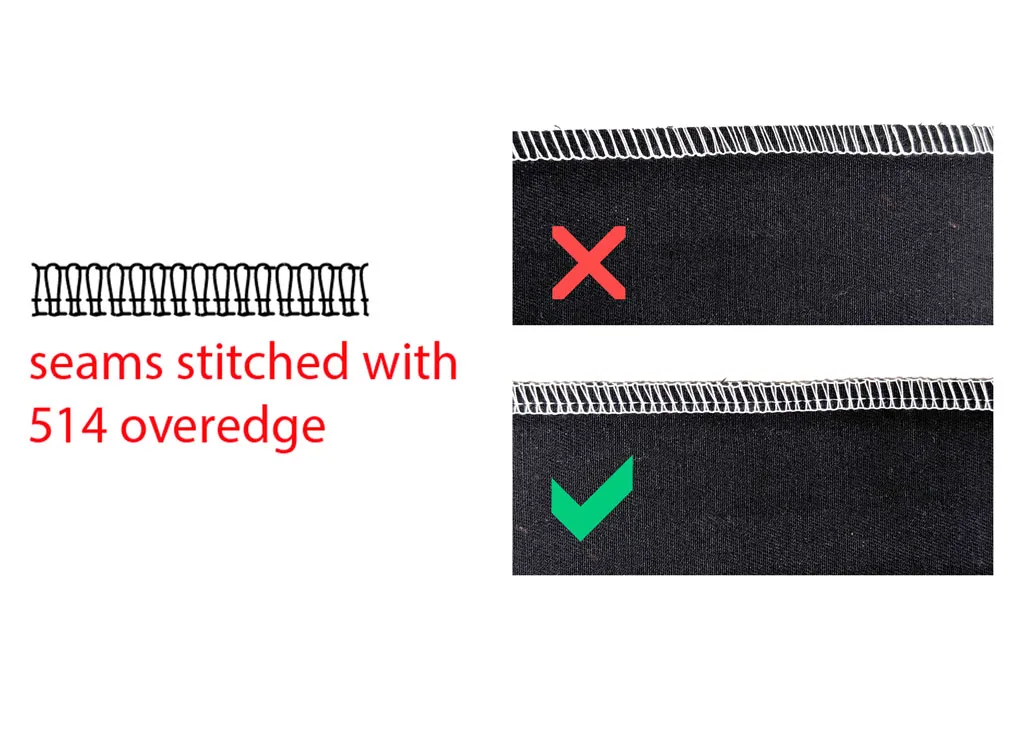
Construction quality is equally important. In well-made clothes, seams are perfectly straight with even stitching. Buttons are sewn on firmly with multiple threads. Zippers slide smoothly without getting stuck. In cheap co-ord sets, seams are often uneven or crooked. Buttons feel loose from the moment you open the box. Zippers jam or break easily.
Fit and comfort matter too. Good manufacturers make patterns that fit actual human bodies in realistic ways. Budget manufacturers make patterns that look fine on a hanger but feel wrong when you wear them. Sleeves might be too short or too long. Necklines might be uncomfortably tight. Seams might be in weird places that create lumps or wrinkles.
Durability is perhaps the biggest issue. A well-made co-ord set will last for years of regular wear. A cheap one might start falling apart after three or four wears. This isn’t acceptable to customers who paid money for clothing they expected to wear multiple times.
How Bad Quality Spreads Fast
We live in a world where information spreads incredibly fast. A customer can post a photo of a falling-apart co-ord set on Instagram or TikTok and reach thousands of people instantly. That photo gets shared, commented on, and discussed. What started as one disappointed customer becomes a public relations crisis.
Review platforms amplify this problem. On sites like Amazon, Google Shopping, or brand websites, negative reviews stay visible forever. A customer looking at a product sees a one-star review describing exactly what went wrong. That negative review influences their decision more than any marketing message could.
Hashtags make things even harder. Someone might post about their bad experience with hashtags like #cheap-clothing-fail or #disappointed-purchase. Others searching those hashtags find the post and think twice before buying from that brand. The damage compounds.
When enough negative reviews and social media posts accumulate, brand reputation tanks. Years of hard work building customer loyalty and trust can disappear in weeks. Once a brand gets labeled as low-quality or dishonest, customers remember that for a long time. They might tell their friends: “Oh, I tried that brand once, and everything was terrible.” That warning keeps new customers away.
Customer Expectations vs. Reality with Budget Manufacturers
Here’s where frustration really sets in for customers. They see a product listing for a beautiful co-ord set. The photos show vibrant colors and perfect fit. The description promises comfort and style. The price seems reasonable for what’s being offered.
But when the package arrives, reality doesn’t match expectations. The colors are duller and washed out compared to the photos. The fit is completely different from what was shown. The fabric feels cheap and uncomfortable. The quality is obviously not what the photos and description suggested.
This gap between promise and delivery is the core of the problem. Customers don’t just feel disappointed about the product—they feel deceived. They think the brand lied to them. They think the company doesn’t care about providing good quality. That feeling of being tricked is much worse than being disappointed about a product that’s honestly advertised.
Once this trust is broken, it’s incredibly hard to fix. Even if the brand offers a refund or replacement, that customer is unlikely to buy from them again. They might even actively warn others to stay away. Building loyalty takes a long time, but losing it happens instantly when customers feel deceived.
What Brands Should Do Instead
The solution isn’t complicated, but it does require different thinking. Instead of choosing the cheapest manufacturer available, brands should invest in quality production. This means paying manufacturers fairly so they can afford good materials and skilled workers.
Some brands worry that higher quality means they have to charge customers more money. Sometimes this is true, but customers are actually willing to pay more for better quality. They understand that good products cost more to make. They’d rather pay twenty percent more for something that lasts than pay less for something that falls apart.
Another smart approach is quality testing. Before finished products leave the factory, they should be checked carefully. Are seams stitched correctly? Does the zipper work smoothly? Is the fabric the right quality? Do sizes fit as they should? This testing catches problems before products reach customers.
Finally, transparency helps build trust. Brands should tell customers where their clothes are made and how they’re made. Share information about fabric choices and manufacturing standards. Show that you care about quality and fairness. Customers respect brands that are honest and upfront.
How to Spot Quality vs. Cheap Co-Ord Sets When Shopping
If you’re a customer trying to avoid cheap co-ord sets, here are practical tips that actually work.
Check the fabric first. Good fabric feels smooth, not rough or scratchy. If it feels cheap and thin, it probably is. Read the fabric content label. Natural fabrics like cotton, linen, and silk are usually higher quality. Synthetic blends can be fine too, but they should feel pleasant.
Look closely at seams and construction details. Are the stitches straight and even? Are there loose threads hanging out? Do buttons feel secure? Does the zipper move smoothly? If you notice problems just by looking, imagine what will happen after you wear and wash it.
Read the reviews carefully, especially the critical ones. Look for patterns. If multiple people mention that seams come undone or fabric fades, that’s a real problem. Pay attention to reviews mentioning durability and comfort after washing—those matter most.
Compare prices with similar products. If something is dramatically cheaper than similar items from other brands, there’s probably a reason. Super cheap usually means low quality. Reasonable pricing usually matches reasonable quality.
Finally, research the brand itself. How long have they been in business? What do customers say about them overall? Do they seem to care about quality? A brand with a good reputation built over years is usually a safer choice than one with just beautiful marketing.
Brands That Chose Quality
Several successful brands prove that choosing quality is the right decision. These brands made the commitment to work with better manufacturers, pay fair prices, and prioritize customer satisfaction over quick profits.
One popular brand started years ago with cheap manufacturing, just like many others. Their products looked good but didn’t last long. Customers complained constantly. The owners realized they were losing money in the long run because customers never came back. They switched to quality manufacturers, increased their prices, and completely changed their approach.
What happened next surprised them. Customer loyalty skyrocketed. People paid more because they trusted the quality. Sales actually increased even with higher prices. Customers became brand advocates, telling friends and family how great the products were. The company built a much stronger reputation by choosing quality over cheap.
Another brand focused on manufacturing excellence from day one. They visited their manufacturers regularly. They trained workers properly. They used good materials. They tested everything before selling. Their prices were higher, but customers understood why. These customers became loyal fans who bought repeatedly and recommended the brand to others.
The lesson is clear: quality is an investment, not an expense. Short-term savings from cheap manufacturing create long-term losses in reputation and customer loyalty. Brands that choose quality end up more profitable and more respected.
Why Quality Matters More Than Price
Thinking long-term is crucial. One good product that lasts and makes customers happy is worth far more than ten cheap products that disappoint people. A customer who buys a beautiful, well-made co-ord set will wear it many times, feel great wearing it, and recommend it to friends.
The concept of customer lifetime value is important here. One customer who has one bad experience might buy from you once and never return. But a customer who has a good experience will buy from you repeatedly throughout years. They’ll spend thousands of dollars over time. That customer is incredibly valuable.
Word-of-mouth marketing is real and powerful. When someone buys a beautiful, quality co-ord set that exceeds their expectations, they tell people. They post about it on social media. They recommend it to friends. That free marketing is worth more than any paid advertisement. You literally cannot buy that kind of recommendation.
Brand pride matters too. When people feel proud wearing something, they wear it more often. They take better care of it. They tell others about it. When people feel embarrassed or disappointed by low-quality clothing, they hide it away and never mention it.
Your reputation is ultimately worth more than any money you save through cheap manufacturing. Once you build a good reputation for quality, customers trust you. They’re willing to pay fair prices. They come back to buy again. They recommend you. That reputation is the most valuable asset your brand can have.
Conclusion
Cheap Co-ord Set manufacturers damage brand reputation and disappoint customers. Quality is an investment that pays off through loyal customers and lasting trust. Don’t let cheap manufacturing hurt your brand’s future.
Choose Geethatextile. We create beautiful, durable co-ord sets with premium materials, expert craftsmanship, and fair pricing. Your customers deserve quality. Your brand deserves a partner who delivers excellence.