
Table of Contents

Introduction

Picking an ethnic women manufacturer company in Delhi sounds simple until the quotes arrive. Three manufacturers quote almost the same rate, yet the samples feel completely different in fabric, finish and fall. For boutique owners, resellers and new label founders, that gap is where money is either saved or lost. Delhi has a large base of women apparel manufacturers, from small kurti units to setups handling suits, lehengas and sarees, so the choice is wide and confusing. This guide explains how to judge a ladies ethnic wear manufacturer on things that show up in your product: sample quality, quote logic, embroidery capability and communication.
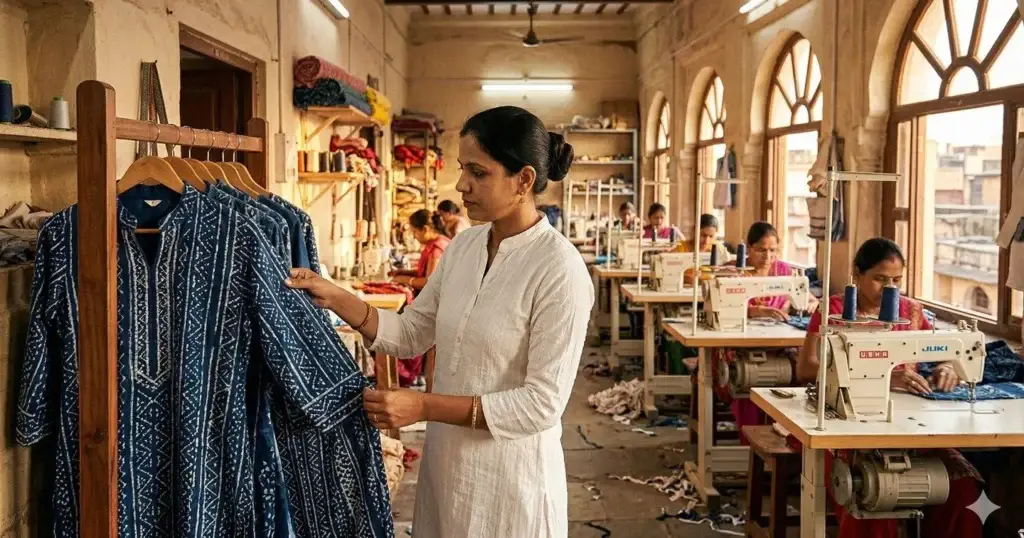
Ethnic Wear Manufacturer

Get Clear on Your Own Requirements Before You Search

Before you contact any ethnic clothing manufacturer Delhi has to offer, decide what you actually need. A boutique owner buying small lots of kurti sets has very different needs from a reseller ordering in volume or a founder building a private label. Write down your product range, fabric preference, approximate order size and the finish you expect. Also decide whether you already have designs or need pattern support from the factory. This step filters out most unsuitable options, because a unit built for wholesale ethnic wear manufacturer orders may not welcome a 50-piece sampling run. Clear requirements also make your quotes comparable later. When your brief is specific, a good ethnic women manufacturer company in Delhi will reply with specific answers instead of generic promises.

How to Inspect a Sample Like a Manufacturer Would

A sample is the most honest document a manufacturer will give you, so treat it that way. Turn the garment inside out and look at what the factory hopes you will not check. An established ethnic women manufacturer company in Delhi will be comfortable with that scrutiny.

Stitching, Seam Finishing, and Lining

Check whether seams are straight, stitches are even and thread ends are trimmed. Inner finishing matters even more on suit sets, so see how a garment suit manufacturer treats edges and linings, since loose edges fray after the first wash. Hems should hang evenly when the garment is held up.

Embroidery Finish and Colour Fastness
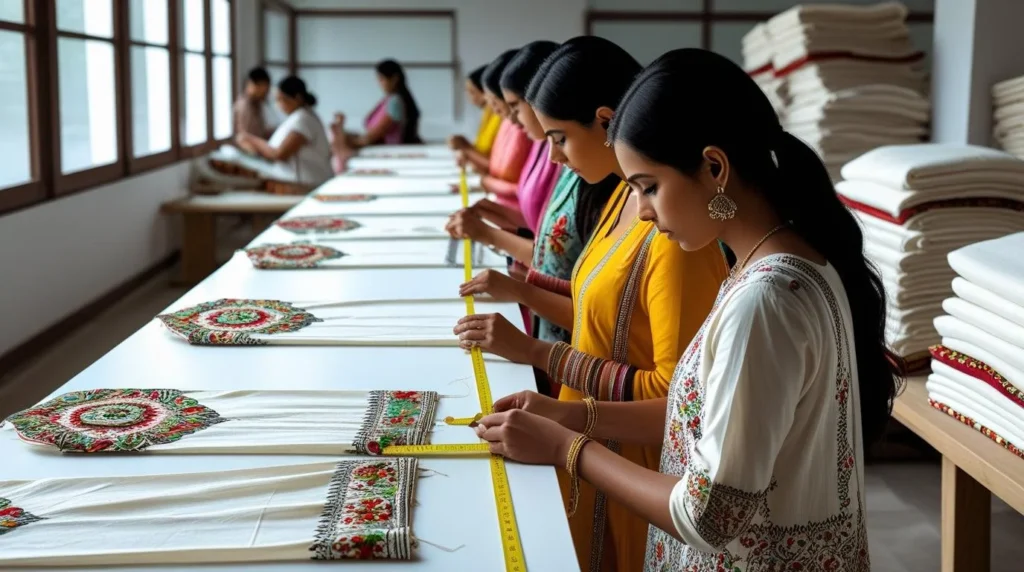
Run a finger over the embroidery. It should lie flat without puckering the fabric, and the back should look reasonably clean, which often depends on the computerised embroidery machines used. For colour, dab a hidden patch with a damp white cloth, or wash a small swatch, and see whether the colour bleeds.
Embroidery Finish & Quality

What Hides Behind a Quote

A per-piece rate is built from fabric, embroidery or surface work, stitching labour, trims, finishing and packing. Ask for this breakdown, even roughly, because it shows where a manufacturer spends and where it may cut corners. Two quotes that look equal can hide different fabric weight, lighter thread, fewer embroidery stitches or thinner lining. Compare quotes only after matching specifications line by line. A rate that is far lower than the rest usually means something was reduced, so find out what before the bulk order. Also ask what is included, such as packaging, tags, sampling charges and rework on defects. A trustworthy ethnic women manufacturer company in Delhi explains these numbers openly. Pay attention to how quickly and specifically they reply. A manufacturer that answers plainly now will likely communicate well during production. Any ethnic women manufacturer company in Delhi worth working with will welcome such questions.

How Embroidery Decides the Quality of Ethnic Wear

Embroidery is often what separates an ordinary garment from one that sells at a better price.

Machine Embroidery vs. Hand Work: When to Choose Which

Hand work gives a rich, exclusive look but takes time and varies from piece to piece, which suits limited bridal or festive lines. Machine embroidery gives repeatable accuracy, so it suits regular collections and larger orders. Many units combine both, using machines for base patterns and hand finishing for detailing.

How Machine Quality Affects Consistency in Bulk Orders

A multi-head embroidery machine stitches the same design identically across hundreds of pieces, provided it is well maintained and properly set. Dull needles, poor thread tension or ageing machines show up as puckering and uneven density. Ask what machines the unit runs and who services them, since embroidery machine support affects uptime. Consistency is the real test of an ethnic women manufacturer company in Delhi.

Using a Trial Order as a Test, Not a Formality

A trial order is cheap insurance. It shows you how a manufacturer behaves once real money and deadlines are involved.

What to Measure in a Trial Order

Track delivery against the promised date, count defects, compare the bulk pieces with the approved sample and note how quickly your questions were answered. Keep simple records so your judgement rests on facts, not impressions.

When to Scale Up and When to Look Elsewhere

If the trial matches the sample, deadlines were met and problems were handled calmly, increase volume in steps. If quality drifted or replies slowed, that pattern usually grows with larger orders, so consider other options. A reliable ethnic women manufacturer company in Delhi earns bigger orders through its trial performance.

Common First-Time Buyer Mistakes

A new boutique owner picks the lowest rate, only to find the fabric thinner than the sample. A reseller approves a sample verbally, places a bulk order and struggles to prove what was agreed when the colours differ. A third buyer skips written terms on delivery dates and misses a festive season. Each mistake is avoidable. Compare specifications, not just rates, approve samples in writing and record payment and delivery terms. Even a well-reputed ethnic women manufacturer company in Delhi works better when expectations are documented. Buyers sourcing wholesale lots should also confirm how defects are handled before paying the balance.

Building a Long-Term Relationship With a Good Manufacturer
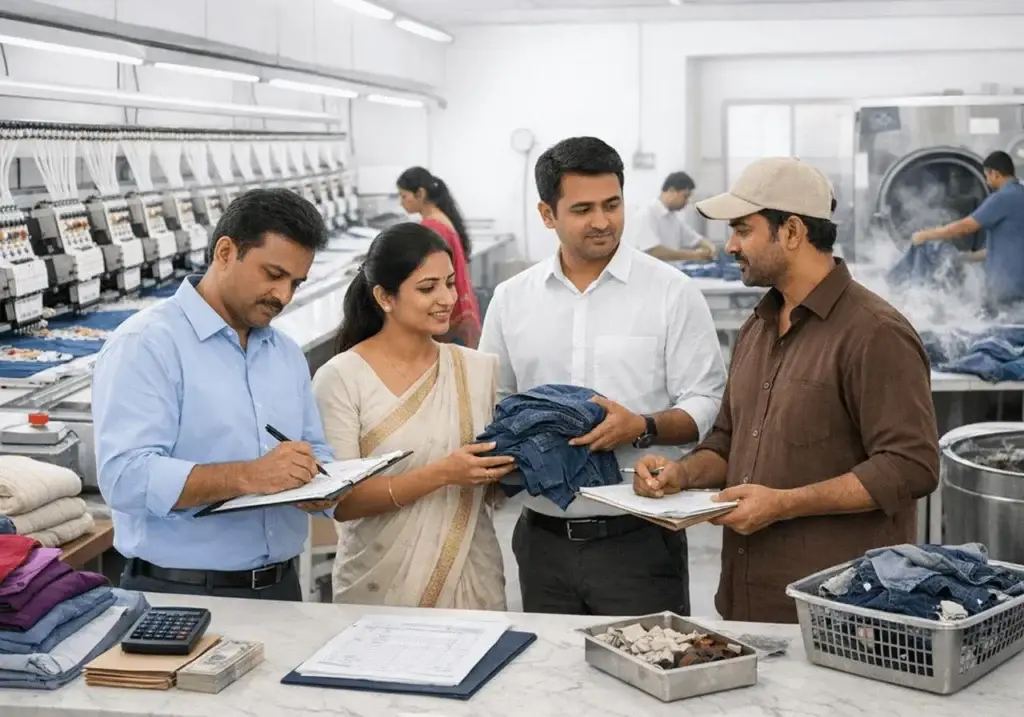
The best results come from repeat work with the same manufacturer, because they learn your fits, fabrics and finishing standards. Share clear briefs with reference images, measurements and approval stages so there is little room for misreading. Pay on the agreed schedule and expect the same discipline on timelines. Over time you can negotiate better rates, priority scheduling and quicker sampling. If you are also thinking of adding in-house embroidery to your own setup, a reliable embroidery machine supplier can help you plan it. Flag issues early, not at dispatch. A dependable ethnic women manufacturer company in Delhi treats long-term buyers as partners.
Long-Term Manufacturer Relationship

Conclusion

Choosing the right ethnic women manufacturer company in Delhi comes down to checking what is real: samples you can inspect, quotes you can break down, machinery you can ask about and a trial order that proves consistency. Take your time, ask direct questions and document everything. If you want to understand the embroidery side in more depth, talk to the team at Geetha Textile for practical guidance.

Leave a Reply

Your email address will not be published. Required fields are marked *