Table of Contents

Introduction

If you run a boutique, an online store, or a wholesale business overseas, finding a dependable Ethnic Wear Exporter in Delhi is often the first real decision that determines how smoothly your sourcing journey will go. Delhi has long been recognized as one of India’s strongest hubs for ethnic fashion manufacturing, and international buyers regularly turn here for everything from bridal lehengas to everyday kurtas. Before you finalize any supplier, though, it helps to understand what separates a genuinely reliable exporter from one that only looks good on paper. You can explore our range of export-ready ethnic wear collections to see how a professional setup typically presents itself.You can browse our ethnic wear manufacturing company in Delhi profile to understand how an in-house manufacturer typically structures its offerings.
Ethnic Wear Exporter in Delhi

The Global Demand for Indian Ethnic Wear Where Delhi Fits In

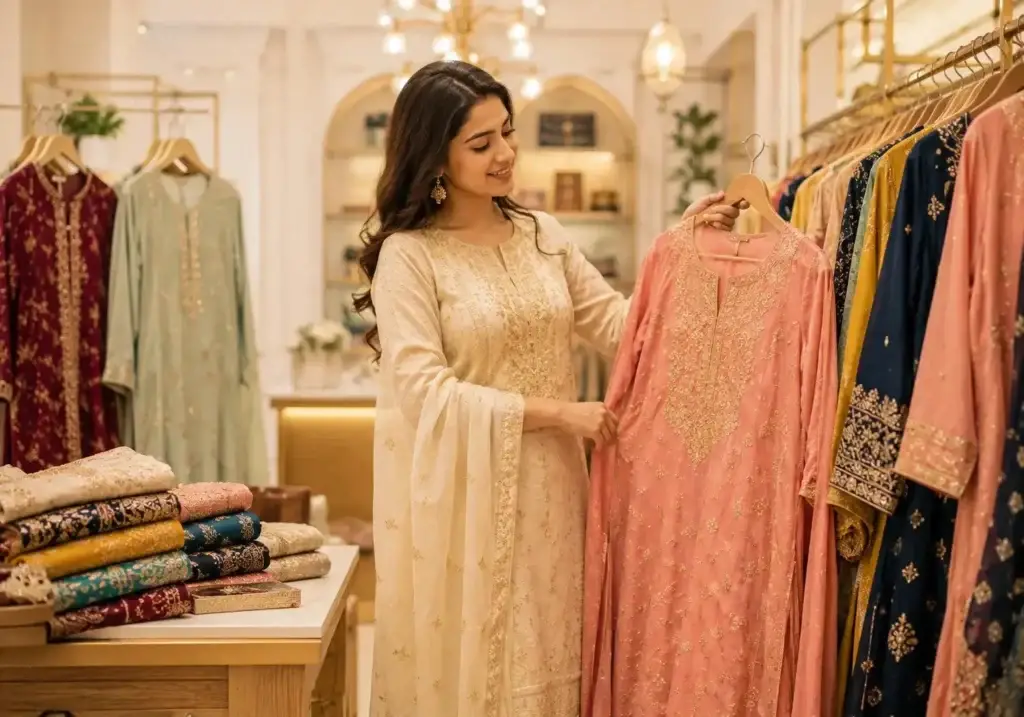
Indian ethnic wear has steadily moved from being a niche cultural product to a globally recognized fashion category. Buyers in the US, UK, Middle East, and Southeast Asia increasingly look for authentic craftsmanship, and this demand has made cities like Delhi central to international sourcing. An established ethnic wear manufacturer Delhi based businesses rely on typically has access to skilled karigars, embroidery units, and fabric markets all within a tight radius, which shortens production timelines considerably. This concentration of resources is precisely why so many overseas buyers prefer working with an Ethnic Wear Exporter in Delhi rather than sourcing from scattered smaller towns. Delhi also offers strong export infrastructure, including proximity to inland container depots and international cargo terminals, which makes shipment logistics considerably smoother for first-time importers.

Types of Ethnic Wear Suppliers You'll Encounter

Not every supplier you come across during your search will operate the same way, and understanding these differences early can save you from unnecessary delays later.

Manufacturers vs. Wholesalers vs. Trading Agents

A manufacturer typically owns or directly oversees production, which usually means better quality control and more flexibility for customization. A wholesaler, on the other hand, buys finished stock in bulk and resells it, often at slightly better prices but with less room for design changes. Trading agents act as intermediaries who connect buyers with manufacturing units, which can work well for smaller orders but sometimes adds an extra layer of communication and cost. Knowing which category a supplier falls into helps you set realistic expectations before approaching any Ethnic Wear Exporter in Delhi for a quotation.

Which Supplier Type Suits Which Buyer

If you’re a boutique owner looking for small, curated collections, a wholesale ethnic wear exporter Delhi based business might suit you better than a large manufacturing unit focused on bulk orders. E-commerce sellers who need frequent restocking often benefit from working directly with manufacturers who can maintain consistent supply. Buyers focused on bridal or festive wear, meanwhile, usually need suppliers with specialized embroidery and embellishment capabilities, which not every general exporter offers.

Decoding Manufacturing Capability

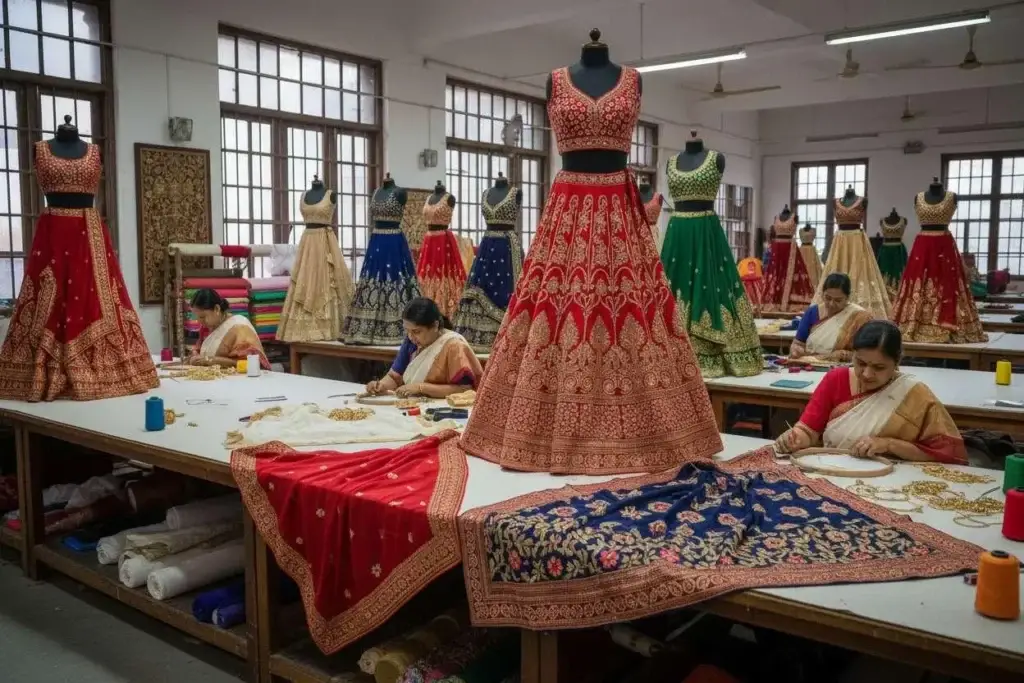
One of the most overlooked steps in vetting a supplier is understanding their actual manufacturing capability rather than just their catalog. Some businesses present themselves as full-scale manufacturers when they actually outsource most of their production to smaller job workers, which can affect consistency across orders. It’s worth asking directly whether embroidery, dyeing, and stitching happen in-house or through subcontracted units, since this affects both quality control and your ability to request customizations. A dependable Indian ethnic wear exporter should be able to explain their production process clearly, including how they manage private labeling requests, fabric sourcing, and any design modifications you might need for your specific market. This transparency is often a stronger indicator of a genuine Ethnic Wear Exporter in Delhi than the size of their online portfolio.Our women’s ethnic wear manufacturing unit in Delhi is one example of how in-house production is typically documented and shared with buyers.

Legal & Documentation Essentials Every Exporter Should Have

Before committing to any order, it’s worth spending time verifying that your supplier has proper legal standing to export goods internationally. In India, exporters are required to hold an Import Export Code (IEC), which is issued by the Directorate General of Foreign Trade and is essentially mandatory for any cross-border trade. Alongside this, GST registration confirms the business is operating within India’s formal tax framework, which adds a layer of accountability. Many established exporters are also registered with industry councils such as the Apparel Export Promotion Council (AEPC), and while this isn’t always mandatory, it does reflect a certain level of industry recognition. Checking these details isn’t about distrust; it’s simply a practical step that protects your business relationship and reduces the risk of complications during customs clearance later.

Evaluating Product Quality Before You Commit

Quality is difficult to judge from photographs alone, which is why sample evaluation remains one of the most important steps before placing a bulk order. When you receive a sample from a potential women ethnic wear exporter, it’s worth checking the fabric composition against what was promised, examining stitching consistency, and looking closely at any embroidery or embellishment work for uniformity. It also helps to ask how the supplier handles quality checks internally, since a business with a defined QC process is far less likely to send inconsistent batches once your order scales up. Buyers sourcing from any Ethnic Wear Exporter in Delhi who skip this stage sometimes discover mismatches between sample quality and bulk shipment quality, which can be costly to resolve after goods have already shipped internationally.

What Influences Per-Piece Cost

Pricing in the ethnic wear export business isn’t always straightforward, and understanding what actually drives cost can help you evaluate quotations more accurately.

What Influences Per-Piece Cost

Fabric quality, the complexity of embroidery or handwork, and the labor involved in finishing each piece all contribute directly to per-unit pricing. A simple cotton kurta will naturally cost far less than a heavily embellished bridal lehenga, and understanding this helps you compare quotes from different suppliers on a fair basis rather than assuming one is simply cheaper or more expensive without context.

Hidden Costs Buyers Often Overlook

Beyond the product price itself, international buyers often underestimate shipping charges, import duties in their own country, and packaging costs that some suppliers charge separately. It’s worth asking your exporter for a complete cost breakdown upfront rather than assuming the quoted per-piece price is final, since unexpected charges at the shipping stage can significantly affect your overall margins.
Which Supplier Type Suits Which Buyer

The Order Journey From Inquiry to Delivery

Understanding how the ordering process typically unfolds can help you set realistic timelines for your own business planning. Most reliable exporters begin with a sampling stage, where you approve design, fabric, and fit before any bulk commitment is made. Once samples are confirmed, production timelines usually range from a few weeks to over a month, depending on order size and the complexity of the designs involved. A trustworthy Ethnic Wear Exporter in Delhi will keep you updated at key checkpoints during production rather than going silent until the shipment is ready. Before dispatch, quality checks should be carried out on the bulk order itself, not just the initial sample, and shipping documentation should be shared promptly so you can track your consignment through customs on your end without unnecessary delays.

Building a Long-Term Sourcing Relationship

While your first order with any supplier is essentially a trial, the real value of working with a dependable Ethnic Wear Exporter in Delhi shows up over repeated transactions. Suppliers who understand your specific market preferences, sizing standards, and seasonal demand patterns tend to become far more efficient partners over time, often anticipating adjustments before you even need to ask. Clear, consistent communication plays a major role here, since misunderstandings around design specifications or delivery timelines are usually the root cause of most sourcing disputes. Businesses that treat this relationship as an ongoing partnership rather than a one-time transaction generally see fewer disruptions and better pricing flexibility as trust builds on both sides.

Categories of Ethnic Wear in High International Demand

Certain categories consistently perform well in international markets, and knowing this can help you plan your product range more strategically. Bridal and festive wear, including heavily embroidered lehengas and sarees, remain popular among buyers catering to South Asian diaspora communities abroad. Everyday wear such as kurtas, kurtis, and co-ord sets appeals to a broader, more casual customer base looking for comfortable yet culturally distinct clothing. Fusion and indo-western silhouettes, which blend traditional embroidery with contemporary cuts, have also gained traction among younger international buyers looking for something that feels both familiar and fresh.

Mistakes That Cost International Buyers Time and Money

Even experienced buyers sometimes fall into avoidable traps when sourcing from overseas, and being aware of these patterns can save considerable time and money.

Prioritizing Price Over Process Transparency

Choosing a supplier purely because they quoted the lowest price often backfires when quality inconsistencies or communication gaps surface later. A slightly higher quote from a transparent, well-documented Ethnic Wear Exporter in Delhi is usually a safer long-term investment than the cheapest option available.

Skipping Trial Orders and Underestimating Logistics

Jumping straight into a large bulk order without testing a smaller trial batch first removes your safety net for catching quality or fit issues early. Similarly, underestimating shipping timelines, customs procedures, and import regulations in your own country can lead to delays that affect your own customer commitments, so it’s worth researching these factors well before your first shipment arrives.

Conclusion

Choosing the right Ethnic Wear Exporter in Delhi ultimately comes down to verifying documentation, evaluating sample quality honestly, and understanding pricing structures before any bulk commitment is made. Buyers who take the time to ask the right questions upfront tend to build smoother, longer-lasting sourcing relationships with far fewer surprises down the line. Working with an experienced Ethnic Wear Exporter in Delhi like Geetha Textile can make this entire process considerably easier to navigate. If you’re ready to explore a manufacturing partner that prioritizes transparency and consistent quality, you can connect with the team at Geetha Textile to discuss your specific requirements.

Leave a Reply

Your email address will not be published. Required fields are marked *