Table of Contents

Introduction

Starting or scaling a clothing brand comes with one decision that shapes everything else that follows: who makes your garments. If you are researching a Textile Manufacturer in Delhi, you are likely at the early stage of building a supply chain that needs to be reliable, quality-driven, and financially sensible for the long run. Delhi has been a manufacturing and trading nerve centre for the textile industry for decades, and that legacy is exactly why so many new and established clothing brands look here first. Before you sign any agreement, though, it helps to understand what actually separates a dependable production partner from one that will cost you time, money, and reputation. This guide walks through the practical, real-world factors that matter when evaluating a fabric manufacturer Delhi brands trust, or a garment production unit for your brand.
Textile Manufacturer in Delhi

Why Delhi Is a Preferred Hub for Textile Manufacturing

Delhi and the surrounding NCR belt have grown into one of India’s most concentrated textile ecosystems, home to everything from small job-work units to large integrated factories. Areas like Gandhi Nagar, Karol Bagh, Okhla, and Tirupur-linked trading networks give brands access to raw material suppliers, dyeing units, printing houses, and finishing units all within a short radius. This clustering means a textile supplier Delhi businesses rely on can often source, process, and dispatch fabric faster than manufacturers operating in more scattered locations, which is one reason so many brands specifically look for a Textile Manufacturer in Delhi rather than exploring options further afield. Delhi’s proximity to major dry ports and its well-established road and rail freight infrastructure also make it easier to move finished goods to other Indian cities or export hubs without significant delays. For a clothing brand still figuring out its production rhythm, this kind of infrastructure reduces a lot of early friction that would otherwise eat into margins and timelines.

Key Factors to Consider Before Choosing a Textile Manufacturer

Choosing the right Textile Manufacturer in Delhi comes down to a handful of practical factors rather than gut instinct alone, and not every manufacturer is built for every kind of clothing business, which is where most brands go wrong early on. A unit that specialises in bulk basics like t-shirts and hoodies may not have the equipment or workforce skill needed for structured outerwear or delicate embroidery work. It is worth asking directly what categories a manufacturer regularly produces, and requesting to see actual samples of past work rather than relying on verbal assurances.

Fabric Specialization and Production Capacity
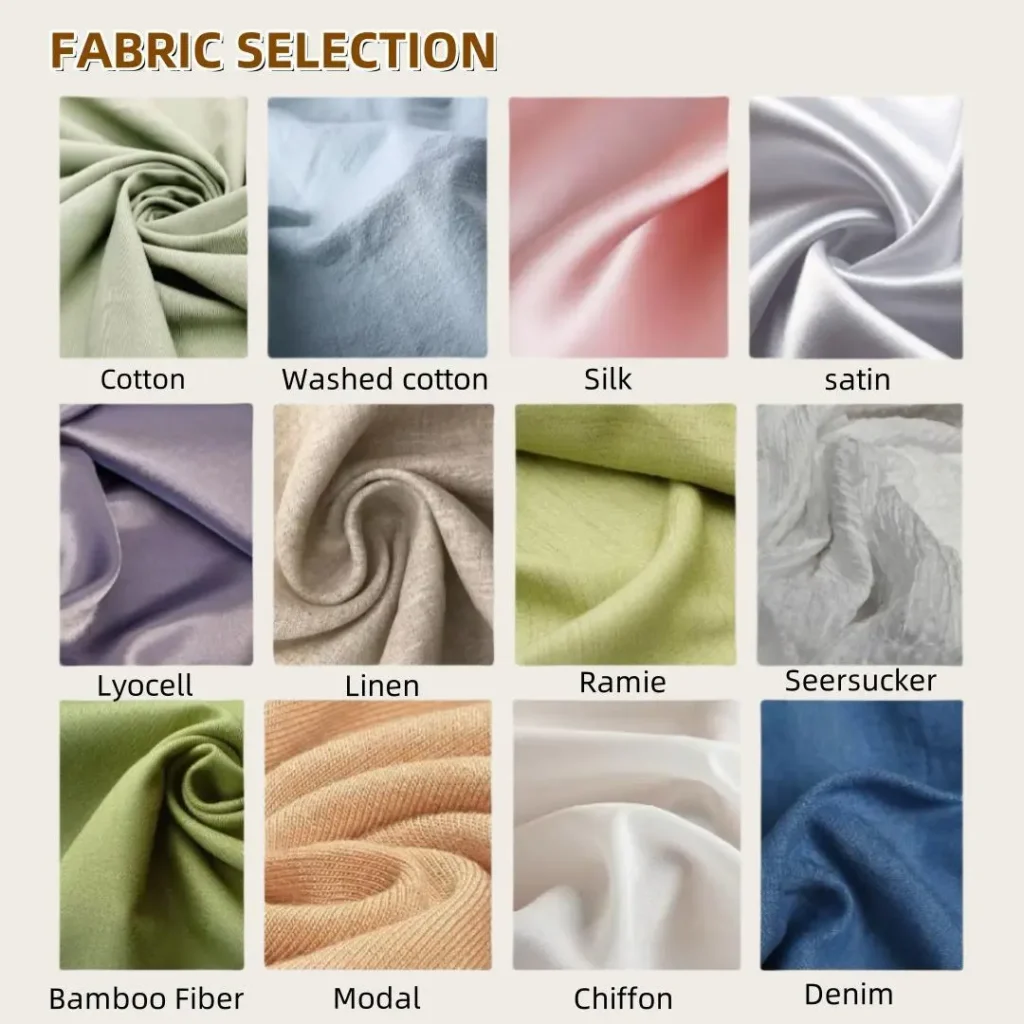
A textile manufacturing company Delhi based brands often work with tends to specialise in either knits, wovens, or a specific fabric family such as denim, silk blends, or technical textiles. Matching this specialisation to your product line matters more than most new brand owners initially realise, because a mismatch usually shows up later as inconsistent stitching, poor fabric behaviour after washing, or delays caused by outsourcing part of the work elsewhere. It also helps to ask about monthly production capacity upfront, since a factory that comfortably produces 5,000 units a month may struggle if your order suddenly scales to 20,000 units during a peak season.
Fabric Specialization

MOQ Flexibility and Lead Times

Minimum order quantities vary widely across Delhi’s manufacturing landscape, and this single factor can make or break a partnership for a smaller or newer clothing label. Some units are geared toward large wholesale runs and will only work with a wholesale textile manufacturer Delhi style order structure, while others are more comfortable with smaller, flexible batches suited to startups still testing designs in the market. Lead times should also be discussed clearly and in writing, since verbal timelines are frequently the first thing that slips once a factory takes on multiple client orders at once.

Quality and Compliance Checks You Shouldn't Skip

When you finally shortlist a Textile Manufacturer in Delhi, quality consistency is usually the biggest gap between a sample piece and a bulk order, and it is one of the most common reasons clothing brands part ways with a manufacturer after just one production cycle. Before committing, ask whether the factory follows any recognised quality or compliance certifications, such as ISO standards for manufacturing processes, OEKO-TEX for fabric safety, or GOTS if your brand works with organic materials. These certifications are not just paperwork; they usually indicate that a factory has documented processes for fabric testing, colour fastness, shrinkage control, and stitching tolerance. It is also reasonable to request a pre-production sample and a bulk sample separately, so you can compare the two and confirm that quality does not drop once the order moves from a small trial run to full-scale production. Brands that skip this step often discover fabric or fit inconsistencies only after receiving the final shipment, by which point corrections become expensive and time-consuming.

Evaluating a Manufacturer's Reliability and Experience

When evaluating any Textile Manufacturer in Delhi, experience in the trade is not always visible on a website or in a sales conversation, which is why a bit of independent verification goes a long way. A factory that has been operating for over a decade and can show a portfolio of past clients, even without naming specific brands due to confidentiality, generally signals more operational maturity than a newer setup still refining its processes.

Factory Visit and Portfolio Check

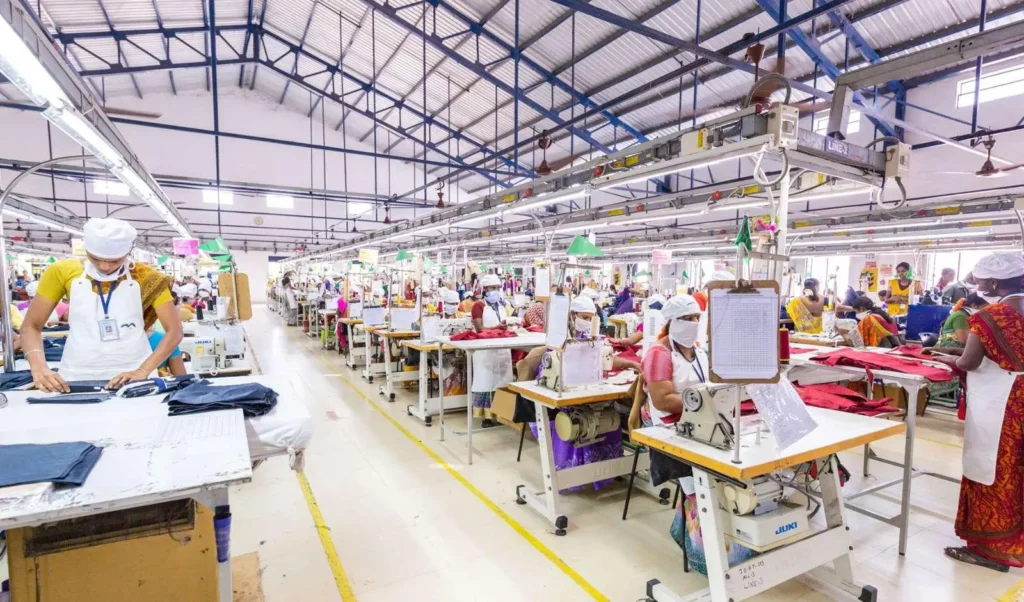
Wherever possible, a physical visit to the manufacturing unit is worth the effort. Walking through the floor gives you a sense of machinery condition, cleanliness, worker organisation, and whether production lines are actually as busy or idle as claimed during initial conversations. If a factory is hesitant to allow a visit or keeps postponing it, that hesitation itself is often a useful signal worth paying attention to.

Communication During the Sampling Process

How a manufacturer communicates during the sampling stage tends to predict how they will behave once bulk production begins. A responsive team that answers fabric or fit queries clearly, flags potential issues early, and sticks to agreed sample timelines is generally a safer long-term partner than one that goes silent for days at a stretch, even if their initial pricing looked attractive.

Understanding Pricing, Payment Terms, and Contracts

Pricing structures offered by a Textile Manufacturer in Delhi can vary based on order volume, fabric complexity, and whether the work is done in-house or through job-work subcontracting. It is important to get a clear cost breakdown rather than a single lump-sum figure, since this makes it easier to identify where costs might be inflated or where corners might be cut to hit a lower price point. Payment terms commonly include a percentage advance before production begins, with the balance paid either before dispatch or on delivery, though these terms should always be confirmed in writing rather than assumed based on informal conversation. Contracts, even simple ones, should clearly state fabric specifications, delivery timelines, penalty clauses for delays, and the process for handling defective units, since vague or missing clauses are usually where disputes originate later.

Legal and Documentation Essentials

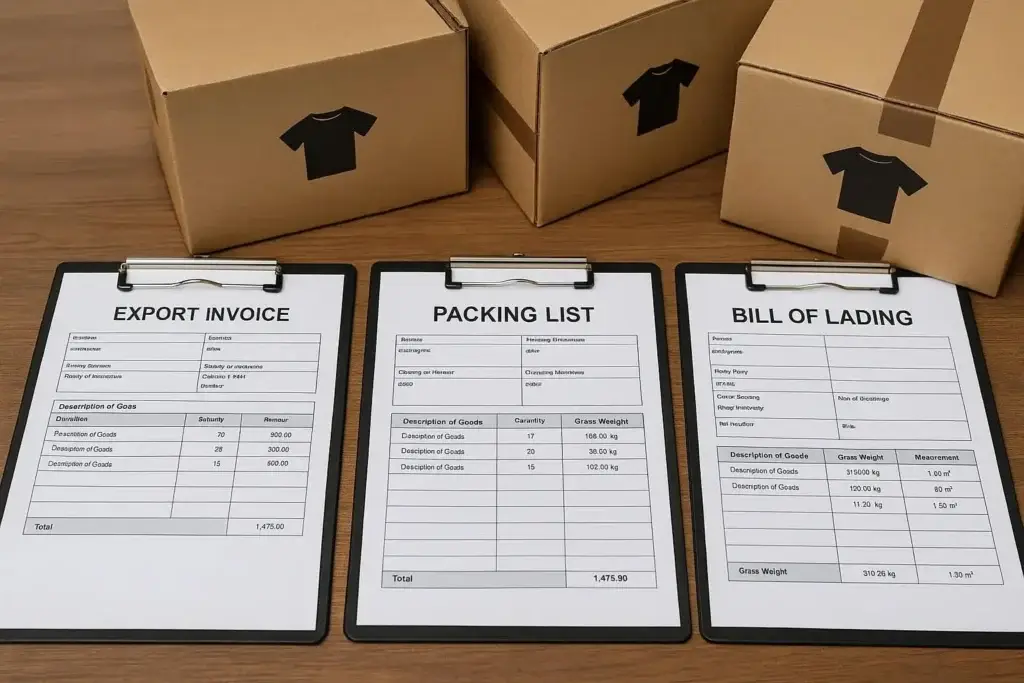
Working with a formally registered Textile Manufacturer in Delhi protects your business in ways that are easy to overlook when you are focused purely on price and speed. A GST-registered unit ensures proper invoicing and tax compliance on your end, which matters both for accounting and for any future scaling plans. If your clothing business has export ambitions, checking whether a manufacturer or their associated trading partners hold a valid Import Export Code becomes essential, since this documentation is required for shipping goods outside India. It is also worth briefly confirming that a factory follows basic labour law compliance, including fair wages and safe working conditions, since this is increasingly a factor that retailers, marketplaces, and international buyers ask about before onboarding a brand’s supply chain.

Common Mistakes Clothing Brands Make When Choosing a Manufacturer

A few patterns show up repeatedly among brands that had a difficult first experience with a Textile Manufacturer in Delhi. Choosing a factory purely because it offered the lowest quote, without verifying quality history, is one of the most frequent and costly mistakes. Assuming that a good sample automatically guarantees the same quality at bulk volume is another, since factories sometimes allocate their most skilled workers to sample-making while bulk runs are handled by a broader, less experienced team. A third common issue is not asking whether a manufacturer subcontracts part of the order to a third party, which can quietly introduce inconsistencies in fabric sourcing or stitching quality that the original factory did not directly control.

How to Shortlist and Compare Manufacturers (Practical Checklist)

Once you have a shortlist of two or three potential partners, comparing them side by side on the same set of questions makes the decision far less subjective. It helps to look beyond price alone and weigh capacity, compliance, communication, and past client experience together before making a final call.

Questions to Ask Before Signing

Before finalising any manufacturer, it is worth asking directly about their minimum order quantity, average lead time for your specific product category, fabric sourcing process, and how they handle defective pieces or reworks. Getting these answers in writing, even through a simple email confirmation, creates a useful reference point if disagreements arise later.

Trial Order Strategy Before Committing

Rather than jumping straight into a large bulk order, placing a smaller trial order with a shortlisted garment textile manufacturer Delhi businesses are considering is a practical way to test consistency, communication, and timeline adherence with lower financial risk, and it is also a good moment to double-check that the same fabric manufacturer Delhi teams sourced your sample fabric from is the one supplying the bulk run. This trial run often reveals more about a manufacturer’s real working style than any number of preliminary conversations or factory visits could.

Conclusion

Choosing the right Textile Manufacturer in Delhi is rarely about finding the cheapest quote, it is about finding a partner whose capacity, quality standards, and communication style genuinely fit how your clothing business operates and plans to grow. Taking the time to verify certifications, visit the factory floor, test with a trial order, and get contract terms in writing will save far more time and money than it costs upfront. If you are currently evaluating manufacturing partners in Delhi and want to discuss your specific product requirements, you can reach out to the team at Geetha Textile for a conversation about how your production needs can be met reliably.

Leave a Reply

Your email address will not be published. Required fields are marked *